
Advance Vacuum Accessories
Spiral Tube
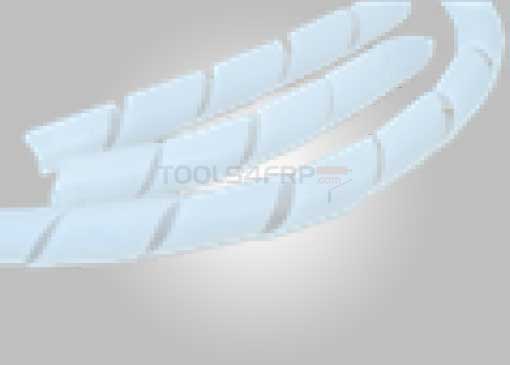
Spiral Tubing, a standard for resin infusion. Ideally suited for in-bag vacuum line extenders or resin feed lines. Allow vacuum pressure to be easily dispersed around a part.
Product Code
Specification
Peel Ply
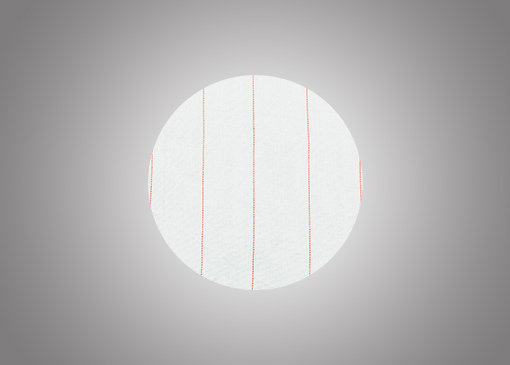
A plain-woven nylon fabric, often featuring a colour polyester tracer for visibility. Used to create a textured, bondable surface on composite parts. Once the resin has cured, peel ply is stripped away to reveal a clean surface ready for secondary bonding or painting without the need for additional sanding.
Product Code
Specification
Qty/pack
Infusion Mesh

Infusion mesh, also known as flow media, is a specially designed plastic netting made from lightweight, extruded polyethylene (HDPE) or polypropylene. Used to facilitate rapid and even distribution of resin across a composite laminate. By creating a low-resistance pathway for the resin to travel, it ensures that all fibre layers are thoroughly saturated, effectively eliminating dry spots and voids.
Product Code
Specification
Qty/pack
Vacuum Bagging Film

It is a flexible, expandable, airtight polymer membrane. This non-porous film is sealed around a composite layup and connected to a vacuum pump, creating a sealed environment that removes air, consolidates materials, and applies uniform atmospheric pressure across the entire mould surface. The film contains volatile organic compounds during cure and manages resin flow when used in conjunction with other consumables like breather fabric and release films.
Product Code
Specification
Qty/pack
Breather Fabric
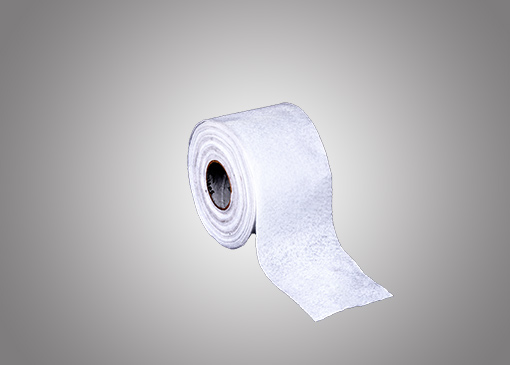
Often referred to as breather/bleeder cloth, is a non-woven polyester felt used in vacuum bagging to ensure consistent air evacuation and resin management. Its soft, stretchable structure allows it to conform to complex mould geometries, maintaining a continuous air path even under high vacuum pressure. It helps distribute atmospheric pressure evenly across the entire surface of the laminate, reducing the risk of bridging and surface defects. When used with a perforated release film, it functions as a “bleeder” to soak up excess resin squeezed from the laminate, optimizing the fibre-to-resin ratio for a lighter, stronger part.
Product Code
Specification
Qty/pack
Perforated Release Film

Designed with evenly spaced pinholes, this film acts as a “process regulator”. It allows trapped air, volatiles, and excess resin to pass through the film into the breather/bleeder layer. Works as a “controlled resin bleed,” which is essential for achieving the optimal fibre-to-resin ratio and reducing part weight. By providing a smooth, non-porous interface with discrete exit points for resin, it helps achieve a uniform surface finish and minimizes local resin accumulation.
Product Code
Specification
Qty/pack
Non-Perforated Release Film
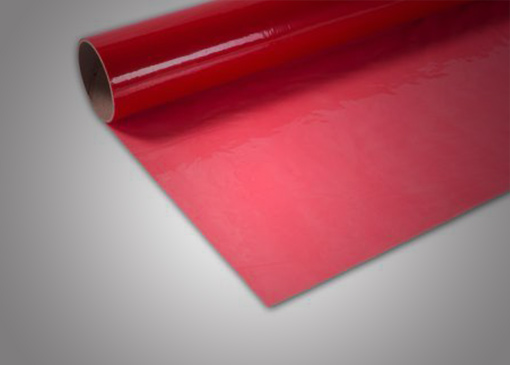
A solid, non-porous plastic sheeting creates a complete barrier to contain all resin within the composite laminate. vital for applications requiring the exact maintenance of the fibre-to-resin ratio (e.g., in prepreg layups where resin content is precisely controlled). It ensures all air and volatiles can be trapped above the laminate and guided to a breather layer at the edges, preventing any material from being drawn into the vacuum system through the film itself.
Ideal for high-pressure autoclave processes, debulking procedures (compacting layers before final cure), and resin infusion setups where the film is used solely to separate the flow media from the final part’s surface. It isinstrumental in achieving the highest possible gloss and smoothest surface finish directly off the mould tool, as no resin is drawn into a bleeder layer through holes.